
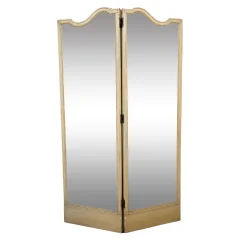
Two-panel screen in cream lacquered wood with bevelled mirrors
le village des brocanteurs 58 — Dun-les-Places
580,00 €
Good condition
58 objects found
The world of antique musical instruments sits at a fascinating crossroads between fine craftsmanship and living heritage. Violins, violas and cellos from the great French, German and Italian schools share space here with stamped upright pianos, fanfare brass and antique woodwind instruments — oboes, clarinets, horns — crafted by celebrated makers throughout the 18th and 19th centuries.
Each piece bears witness to a vanishing tradition: hand-selected tonewoods, oil varnishes, original mechanisms. Browse our selection to find the instrument that will enrich your collection or, perhaps, sing again.
58 objects found
le village des brocanteurs 58 — Dun-les-Places
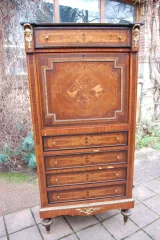
Antiquités Rousseau — Évry
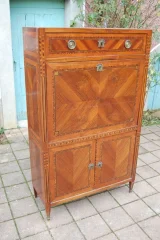
Antiquités Rousseau — Évry
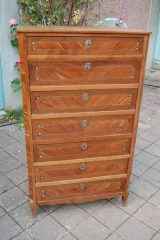
Antiquités Rousseau — Évry
le village des brocanteurs 58 — Dun-les-Places
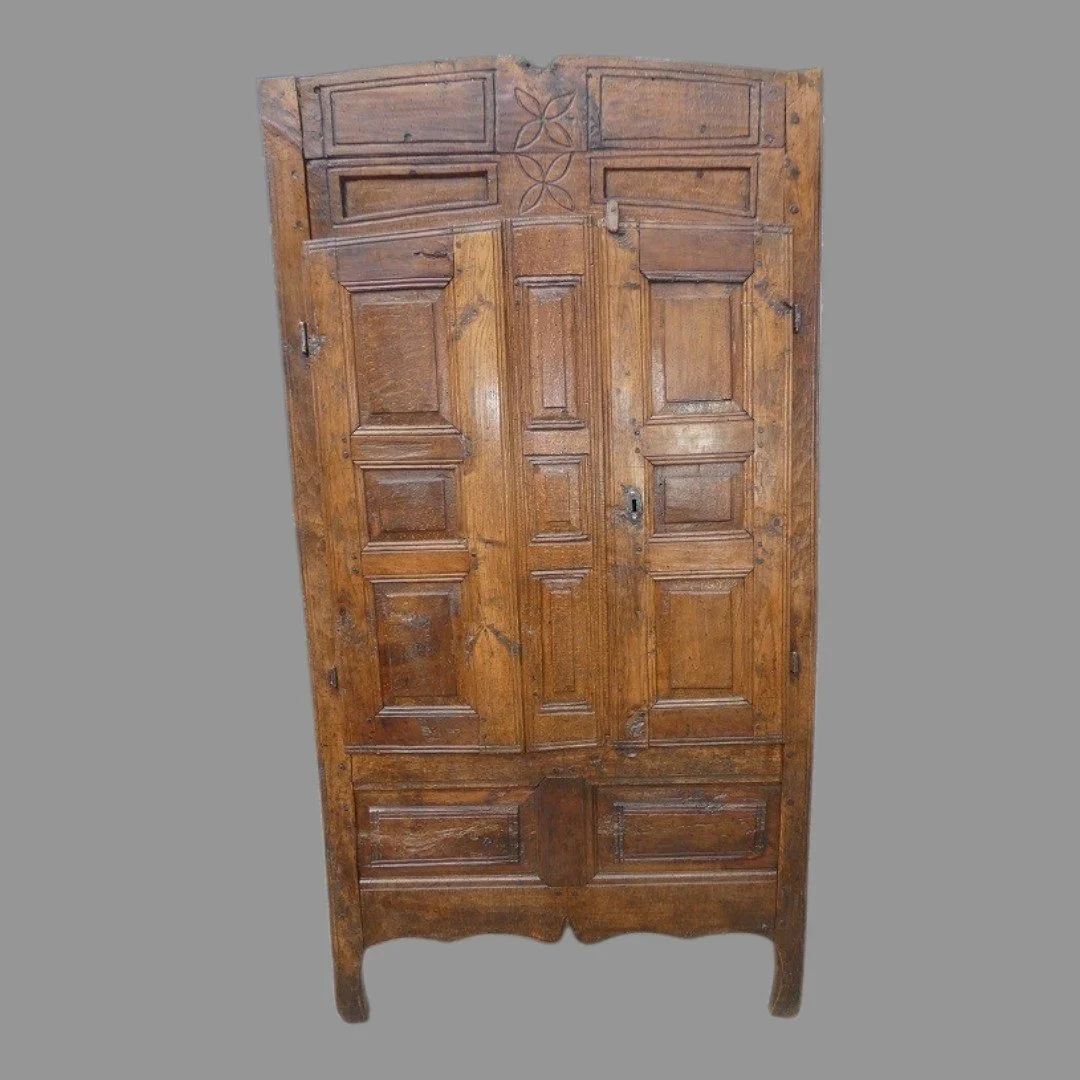
L'atelier De La Dorure — Calmont
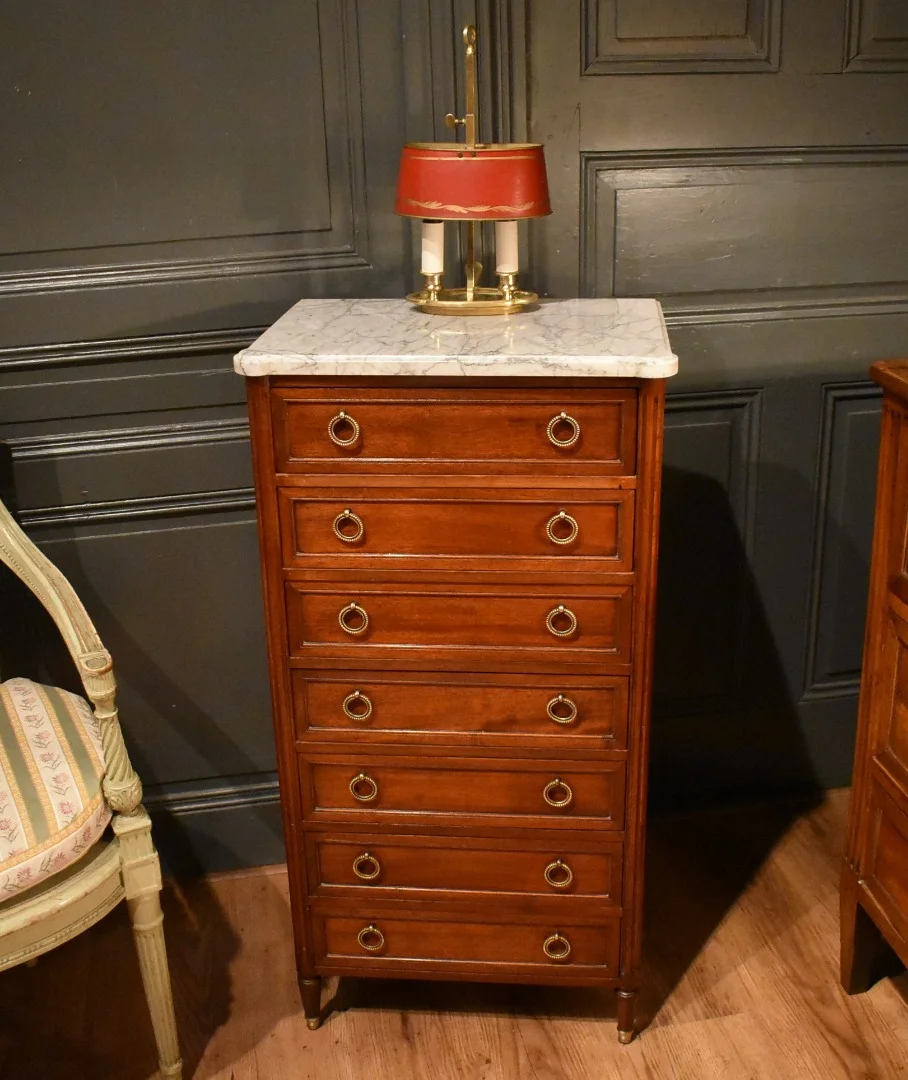
Antiquités Anne Marie Perrier — La Boisse

Au Réveil Du Temps — Saint-Nabord
L'atelier De La Dorure — Calmont
Antiquités Anne Marie Perrier — La Boisse
L'atelier De La Dorure — Calmont

L'atelier De La Dorure — Calmont
Au Réveil Du Temps — Saint-Nabord
Antiquités Anne Marie Perrier — La Boisse
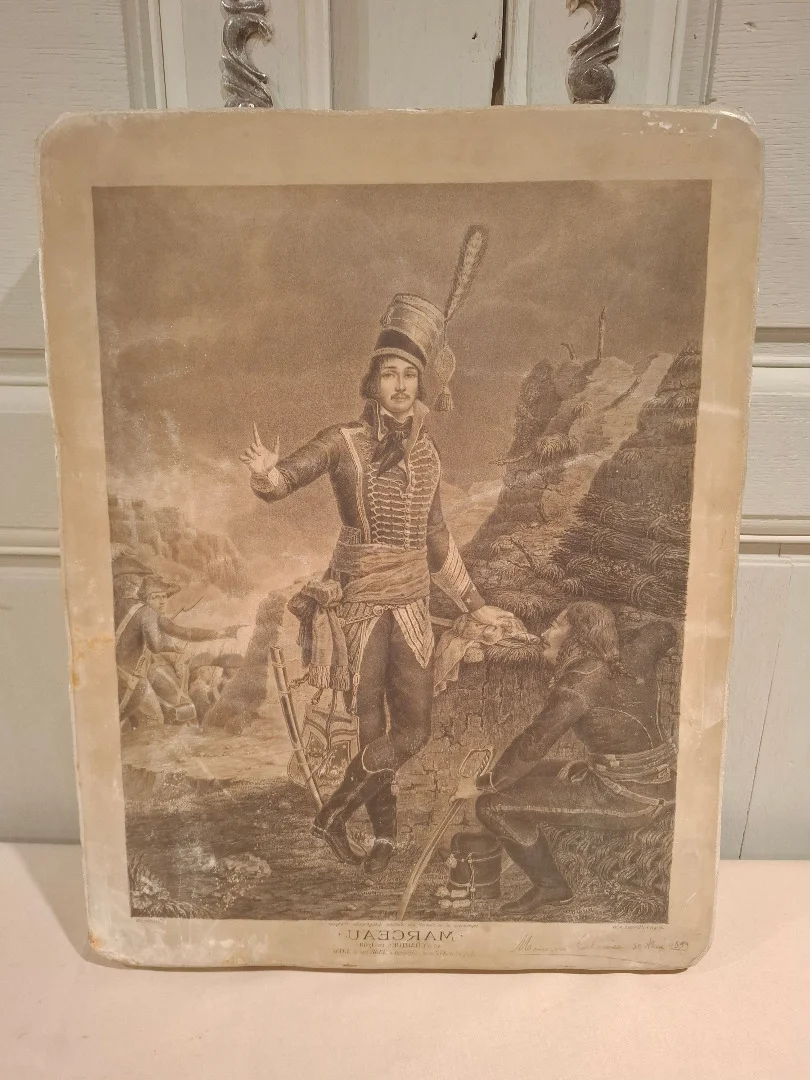
ANTIQUITES VANGEON — Chartres

Sarl Cave — Limoges

Au Réveil Du Temps — Saint-Nabord
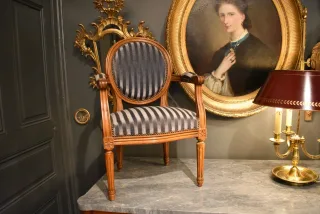
Antiquités Anne Marie Perrier — La Boisse
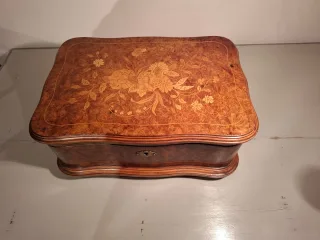
ANTIQUITES VANGEON — Chartres
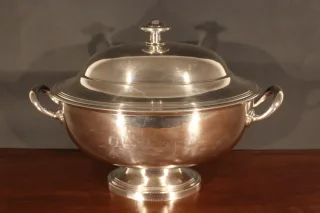
Au Réveil Du Temps — Saint-Nabord
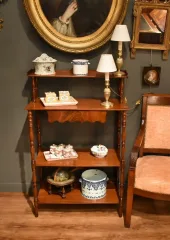
Antiquités Anne Marie Perrier — La Boisse
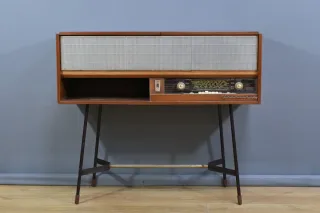
Antiquités Lecomte — Héric
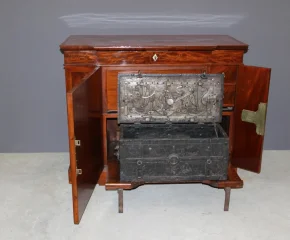
Antiquités Christophe Rochet — Villeurbanne
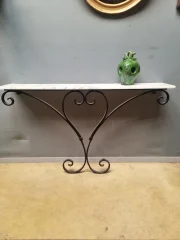
French-antiques.fr — Rouen
Authenticating an antique musical instrument demands both method and experience. For bowed string instruments, examine the interior label — usually visible through the f-holes — which should name the maker, place and date of manufacture. Be cautious of labels bearing famous names such as Stradivarius or Guarneri: the vast majority are workshop copies, respectable in their own right but entirely unrelated to the Cremonese masters. A French luthier violin of the 19th century, attributed to Mirecourt or Paris, nonetheless carries genuine historical and tonal value.
When considering antique pianos, look for the maker's stamp on the soundboard or lyre, assess the condition of the strings and hammers, and check that any restorations are consistent with the instrument's age. The great houses — Érard, Pleyel, Bösendorfer — remain the most sought after. A well-preserved Érard upright from the Second Empire period can fetch several thousand euros; a more modest salon piano remains accessible from a few hundred.
For brass and woodwind instruments, the condition of keys, pads and valves is paramount. An antique hunting horn in brass or silver, hallmarked and complete with its original case, is a particularly desirable find. If you intend to play the instrument rather than display it, always ask the dealer about playability before purchasing. For other unusual and collectible objects, you may also wish to explore our miscellaneous antiques category.
On Antiquités en France, every instrument is listed by a verified professional antique dealer who can provide detailed photographs, provenance information and care advice. Contact the dealer directly for a valuation or to discuss shipping arrangements — fragile instruments such as violins and pianos require specialist packaging, and appropriate transit insurance is strongly recommended.